
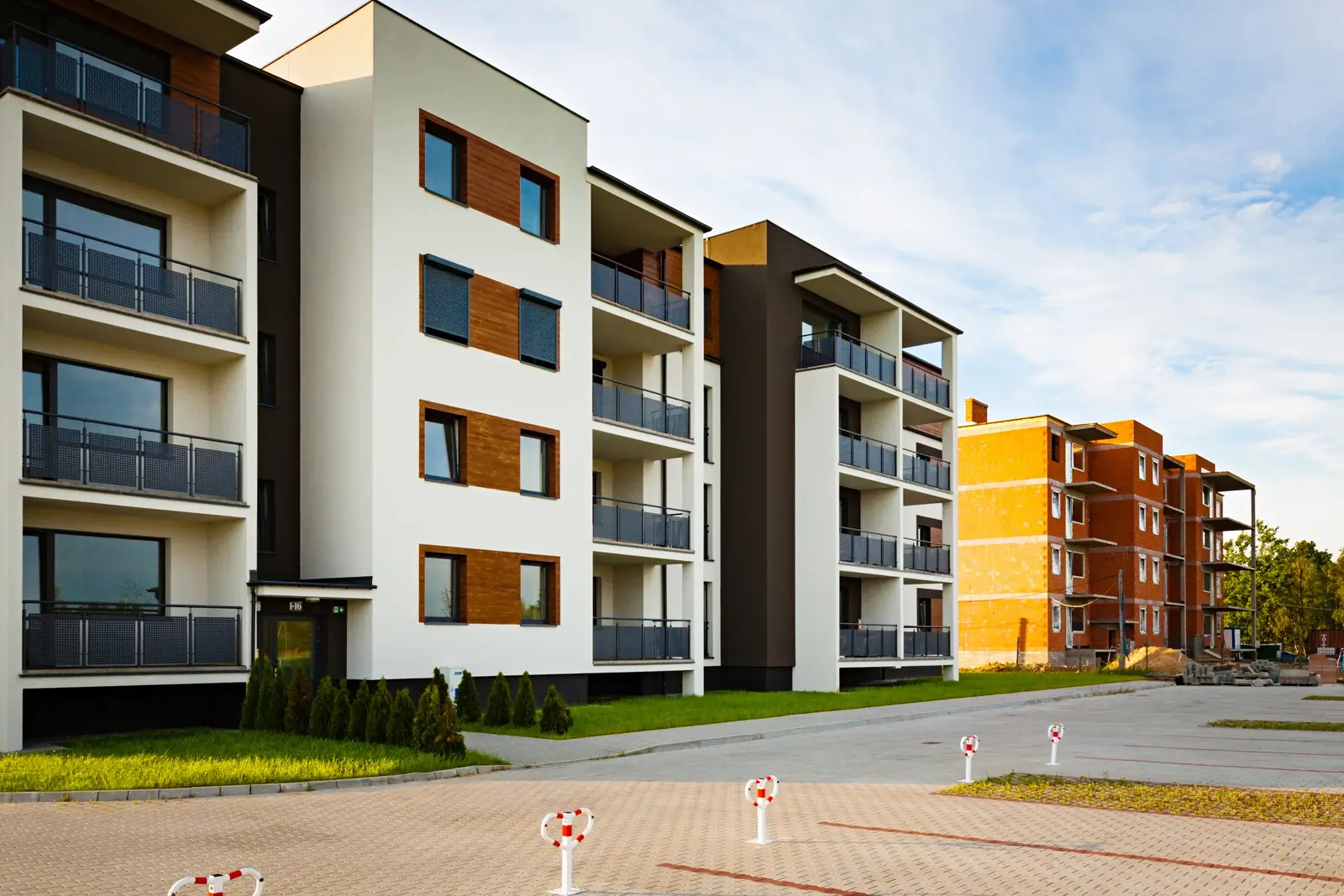
Indianapolis has steady growth in multifamily housing, driven by population increases, job growth, and strong rental demand across the metro area. This growth is supported by a large and growing multifamily inventory and consistent rental activity. For property owners, this creates opportunity but also complexity. Managing a multi-unit property involves far more moving parts than a single-family rental, from coordinating maintenance across units to maintaining consistent occupancy and navigating local regulations.
That’s why today’s property manager is more than just an overseer of daily tasks. The right professional acts as a strategic partner, helping protect your investment and improve long-term performance.
From leasing and marketing to long-term planning, your approach must be built around growth and sustainability. Continue reading to learn what you should expect from a property manager in today’s Indianapolis market.
Key Takeaways
- A strong property manager uses local market data to set competitive rental rates that maximize income and minimize vacancy
- Effective leasing and tenant screening processes directly impact occupancy, cash flow, and long-term property stability
- Proactive maintenance and efficient operations protect both your asset value and tenant satisfaction
- Transparent financial reporting and communication keep owners informed and confident in their investment performance
Strategic Pricing and Local Market Expertise
Understanding Indianapolis Rental Trends
A qualified property manager should have a deep understanding of Indianapolis rental trends, including average rent ranges, vacancy rates, and demand drivers. Vacancy rates in Indianapolis generally fall within a balanced mid-single-digit range, making pricing strategy a critical factor in maintaining occupancy.
These factors vary widely across the metro area. Downtown Indianapolis, for example, attracts young professionals, while suburban areas like Carmel or Greenwood appeal to families seeking more space. Growth and demand can also differ significantly between submarkets, with some suburban areas experiencing notably faster population growth than the urban core in recent years.
Recognizing these differences allows a property manager to position your property effectively within its specific submarket rather than applying a one-size-fits-all approach.
Setting the Right Rental Rates
Pricing is one of the most important decisions that affects your return on investment. Property managers should analyze comparable properties, current demand, and seasonal trends to determine optimal rent levels.
Overpricing can lead to extended vacancies, while underpricing leaves money on the table. A skilled manager finds the balance that keeps units occupied while maximizing revenue.
Aligning Strategy with Long-Term Investment Goals
Beyond setting rent, your property manager should align their strategy with your long-term goals. This includes adjusting pricing and leasing strategies as the market shifts and recommending improvements that enhance property value over time.
Leasing, Marketing, and Occupancy Performance
Marketing Multifamily Units Effectively
Marketing plays a major role in attracting quality tenants. Property managers should create compelling listings with professional photos, detailed descriptions, and broad exposure across rental platforms.
Consistent branding across units also helps establish your property as a desirable place to live, which can improve both leasing speed and tenant quality.
Tenant Screening That Protects Your Investment
Thorough screening is essential in multifamily properties where one problematic tenant can affect multiple residents. A professional manager will conduct background checks, verify income, and review rental history.
By implementing a strong tenant screening process, you reduce the risk of late payments, property damage, and costly evictions.
Maintaining Strong Occupancy Rates
Property managers should take a proactive approach to leasing by marketing units before they become vacant and maintaining a steady pipeline of prospective tenants. In a market where occupancy rates commonly trend in the high-80 percent range depending on property type and location, even small improvements in leasing efficiency can significantly impact overall returns.
This reduces downtime between leases and helps stabilize your income stream.
Resident Retention and Lease Renewals
Keeping good tenants is just as important as finding them. Property managers should focus on tenant satisfaction through responsive service and clear communication.
Strategic lease renewal practices can reduce turnover, saving you the cost and time associated with frequent vacancies.
Day-to-Day Operations and Maintenance Oversight
Proactive and Preventive Maintenance
Maintenance is one of the most visible aspects of property management. Regular inspections and preventive care help identify small issues before they turn into expensive repairs.
This approach protects the physical condition of your property and supports long-term value.
Handling Maintenance Requests Efficiently
Tenants expect timely responses when issues arise. Property managers should have systems in place to track, prioritize, and resolve maintenance requests efficiently.
Clear communication throughout the process also helps build trust with residents.
Managing Vendors and Controlling Costs
Coordinating with contractors and service providers is another key responsibility. A reliable manager works with trusted vendors who deliver quality work at competitive prices.
Cost control is essential for maintaining profitability without sacrificing service quality.
Turnover and Unit Readiness
When a tenant moves out, time is money. Property managers should coordinate cleaning, repairs, and inspections quickly to prepare units for new occupants.
Efficient turnover processes minimize vacancy periods and keep income consistent.
Emergency Response and 24/7 Support
Emergencies can happen at any time. Whether it’s a plumbing issue or a safety concern, property managers should be equipped to respond promptly.
This ensures tenant safety and protects the property from further damage.
Financial Management and Reporting Transparency
Budgeting for Stability and Growth
A good property manager helps you plan for both expected and unexpected expenses. This includes routine maintenance, capital improvements, and reserve funds.
Proper budgeting supports financial stability and prepares your property for future needs.
Rent Collection and Delinquency Management
Consistent rent collection is critical for maintaining cash flow. Property managers should have structured systems that encourage on-time payments and address issues quickly when they arise.
Using a reliable rent collection system helps enforce policies fairly while reducing delinquencies.
Clear and Consistent Financial Reporting
Transparency is key when it comes to financial performance. Property managers should provide detailed monthly reports that outline income, expenses, and overall profitability.
This allows owners to make informed decisions and stay confident in how their investment is being managed.
Legal Compliance and Risk Management
Navigating Indiana Rental Laws
Property managers must stay current with Indiana’s rental laws and regulations, including fair housing requirements and lease standards.
This protects property owners from legal issues and ensures that operations remain compliant.
Lease Enforcement and Handling Difficult Situations
When problems arise, such as lease violations or nonpayment, property managers should handle them professionally and consistently.
Clear processes for enforcement and, when necessary, eviction help reduce risk and maintain order within the property.
Communication, Technology, and Full-Service Support
Transparent Communication with Owners
Owners should expect regular updates on property performance, maintenance issues, and leasing activity. Open communication builds trust and ensures that you are never left guessing about your investment.
Leveraging Technology for Efficiency
Modern property management relies on technology to streamline operations. Online portals, digital leasing tools, and maintenance tracking systems improve efficiency and accuracy.
These tools also enhance the experience for both owners and tenants.
What Full-Service Property Management Really Means
Full-service management goes beyond handling tasks. It means coordinating leasing, maintenance, financials, and compliance in a way that supports your overall investment goals.
With the right manager, you can remain hands-off while still maintaining full visibility and control.
FAQs
1. What is the most important quality to look for in a property manager?
Experience in the local market combined with strong operational systems is essential. A manager who understands Indianapolis trends and can execute consistently will have the greatest impact on your property’s performance.
2. How do property managers reduce vacancy in multifamily properties?
They use proactive marketing, competitive pricing, and early leasing strategies to keep units filled. Maintaining tenant satisfaction also helps reduce turnover and keeps occupancy stable.
3. How involved should I be as a property owner?
A good property manager allows you to stay hands-off while keeping you informed through regular updates and reports. You retain control without handling day-to-day operations.
4. What happens if a tenant stops paying rent?
Property managers follow structured processes to address delinquency, including communication, notices, and enforcement of lease terms. If needed, they handle the eviction process in compliance with local laws.
Where Strategy Meets Scalable Growth
Success in multifamily property ownership is not just about keeping units occupied. It comes from aligning smart pricing, efficient operations, and strong tenant relationships into a system that consistently performs over time.
At Evergrow Property Management, we bring together local expertise, proven systems, and a hands-on approach to help multifamily property owners turn opportunity into lasting growth. If you’re ready to elevate your property’s performance and simplify ownership, our team is here to help you take the next step. Contact us today for a free consultation.